How D.A.S. Helps
Most people never expect to face the government until the day they do. If you are fighting a case, bracing for one, or standing by someone behind prison walls, here is how the Defendant Aid Society can help.
We help people who are already in the fight, and we help families and businesses avoid the fight in the first place.
The Defendant Aid Society is a national network of attorneys, paralegals, and trained volunteers. Most of what we do is free or low-cost, because the people who need us most are rarely the people who can afford the fight. Our work falls into three areas.
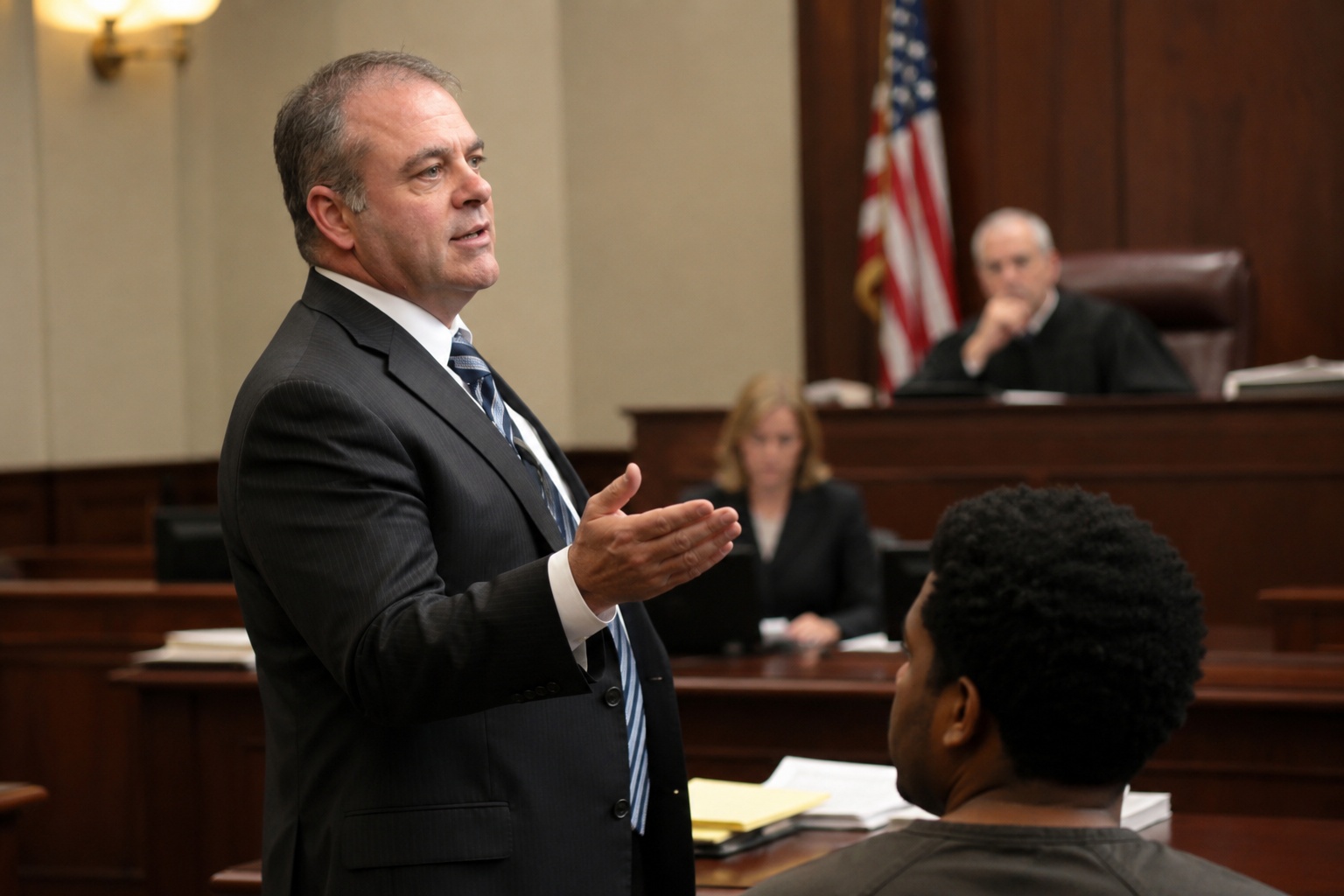
Maybe you’ve received a target letter. Maybe you’ve been charged, and the attorney you can afford isn’t fighting the way you need. Maybe you’re representing yourself because hiring a lawyer was never an option. You are still at liberty, but the full weight of the state is now pointed at you, and the system feels built to be navigated by everyone except you.
Here’s how we help people in that position:
An honest, experienced read on where your case really stands, and what your options actually are.
We review filings, motions, and plea offers, and help you think through litigation strategy.
Paralegal, research, and clerical help so that going it alone doesn’t mean going it unprepared.
We can assist your existing attorney with research and preparation, reducing the hours you pay for.
When a case calls for it, attorneys in our network step in directly.
If your case needs counsel we’re not positioned to provide, we help you find someone who can.
Clear explanations of the law and the process, so you always know what’s happening and why.
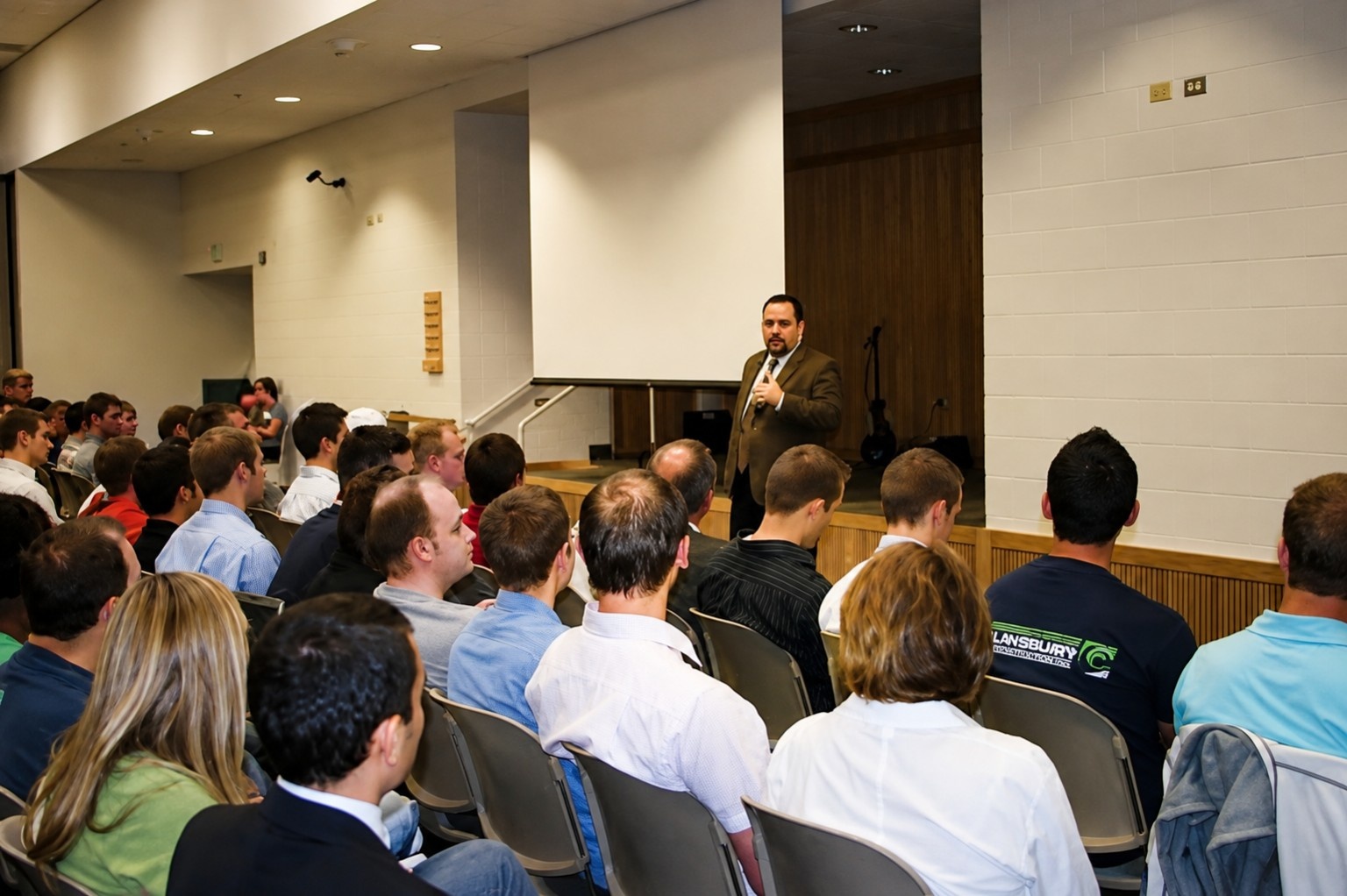
Ordinary people, families, and business owners are often caught off guard when a regulator, bureaucrat, or prosecutor decides to take an interest in them, not because they did anything wrong, but because no one ever taught them where the lines are. The strongest position is the one you build in advance: understanding the law well enough that your conduct stays clearly on the right side of it, and knowing exactly how to respond if the government ever comes asking questions.
Through our Liberty Protection Clinics, seminars, and training, we help people:
Clear, practical instruction on the law that governs your work and life, so you can act with confidence and stay well clear of the lines.
How investigations begin, what the warning signs look like, and what to do the moment you see them.
Focused training for those most likely to be targeted, so a knock on the door is met with readiness, not panic.
Exactly what to do, and not do, when a regulator, agent, or prosecutor makes contact.

Maybe a release date has come and gone. Maybe earned credits were never applied. Maybe there are grounds for a reduced sentence, and no one on the inside has the tools to pursue them. Post-conviction relief is its own world: technical, procedural, and foreign to almost anyone who hasn’t had to live it. We navigate that world fluently, and it’s where most of our work happens today.
For inmates and the families fighting for them, we help with:
Calculating earned-time credits and challenging errors that keep people inside past their lawful release date.
Well-researched, well-prepared reduction-in-sentence motions, the kind that actually get read.
Challenging unlawful detention and pursuing relief when the conviction or sentence was wrong.
Navigating prison filings, responses, and official procedures, and resolving detainers that complicate release.
Help understanding and using the administrative process the way the law actually allows.
Engaging institution leadership, community leaders, and officials with oversight of jails and prisons.
A Doorway In, For Inmates
For many people inside, the hardest part is simply reaching the outside world. Any inmate with email access can connect with D.A.S. directly, whether the need is reaching an aging relative, finding an attorney, getting information they can’t access inside, facilitating mail and communication, or serious legal research. It is free, and it is the starting point for everything else we do for inmates.
How we decide, and how fast. Not every case is one we’re positioned to take, but no one is left guessing. Tell us what you’re facing and you’ll get a straight answer about whether and how we can help, and we’ll point you toward the right resource if that answer is someone other than us. When we do take a fight on, we treat it as our own.
This isn’t theory. See what it has looked like for the people we serve →
“There is no crueler tyranny than that which is perpetrated under the shield of the law and in the name of justice.”
Montesquieu · The Spirit of the Laws, 1748Tell us what you’re facing. If we can help, we’ll tell you how. If we can’t, we’ll try to point you toward someone who can.